
Austin, Texas · the quick-start guide
Get your bearings in Austin
New in town, passing through, or just trying to make sense of the place? This is the plain-language orientation to Austin, how the city is laid out, how to get around, what it actually feels like, and where to start. Read it in an afternoon and the rest falls into place.
Start here
First, the shape of the city
Austin clicks into focus once you fix a few landmarks in your head. The water — Lady Bird Lake, really a dammed stretch of the Colorado River, runs east to west through the middle, with downtown sitting on its north bank. Interstate 35 cuts north to south and has long marked the old dividing line between the hillier, historically wealthier west side and the historically Black and Latino east side, a boundary the city is still reckoning with as the east changes fast.
The lake runs E–WI-35 splits E / WMoPac the west bypassDowntown north bank
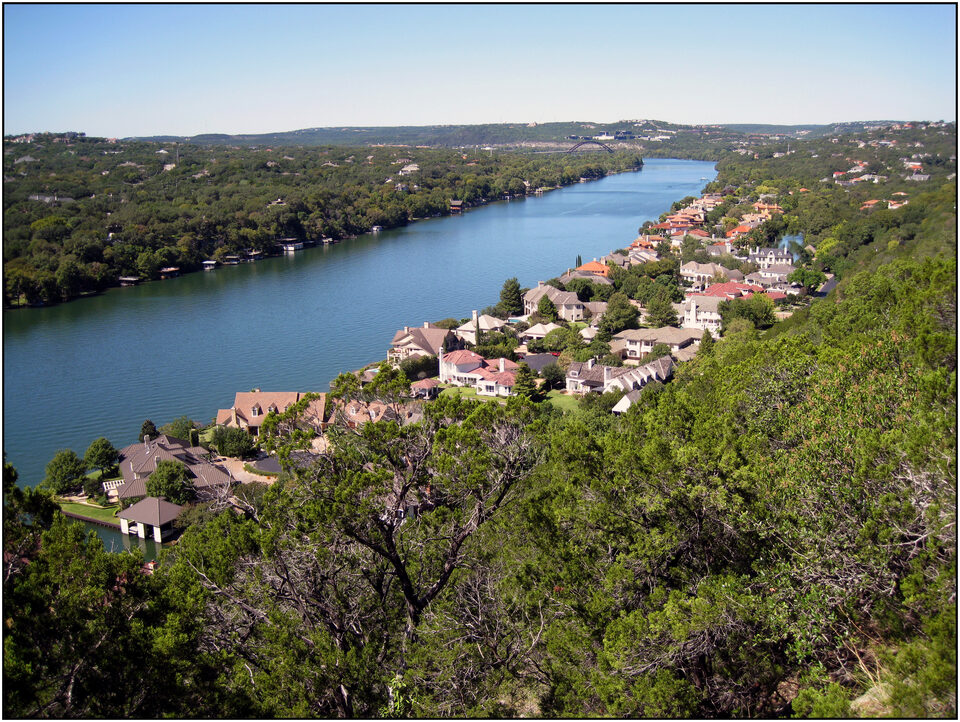
West and northwest, the land tilts up into the Hill Country, which is why so much of Austin is green and rolling rather than flat Texas prairie, and why a bridge like the Pennybacker above gets a postcard view. Get four things straight, the lake, I-35, MoPac (Loop 1), and the hills to the west, and you can read the whole map. A car is still the default way to cover the city, though the core, the MetroRail line, buses, bikes and scooters handle downtown.
The lay of the land
How the neighborhoods fit together
Central & downtown
Downtown, Rainey Street, and the stretch over the river to South Congress and Zilker put you a walk or short ride from the lake trail, the music and the restaurants. It is the densest, priciest and most walkable part of town, and where a first-time visitor spends most of their time.
East & south
East Austin and South Austin carry much of the city’s character, the food trucks, the dive bars, the murals, the “keep it weird” streak. East of I-35 is changing the fastest; South Austin holds onto its laid-back, slightly-ramshackle charm the hardest.
North & the suburbs
North Austin and the Domain hold much of the tech work and newer apartment living. Push further out — Round Rock, Cedar Park, Pflugerville, Leander, and the dollar buys more space, a longer commute and good schools.
Getting around
A car-first city with a walkable heart
Austin grew up around the car, and for most of the metro that is still how you move, the neighborhoods are spread out and the Hill Country, the lakes and the suburbs really do need wheels. The exception is the core: downtown, South Congress and the areas hugging the lake are genuinely walkable, laced with the hike-and-bike trail, and served by Capital Metro buses, the MetroRail line, bikeshare, scooters and rideshare. A good plan is to base yourself near the water, walk the center, and rent or ride for everything past it.
What makes it tick
A capital city that never quite grew up
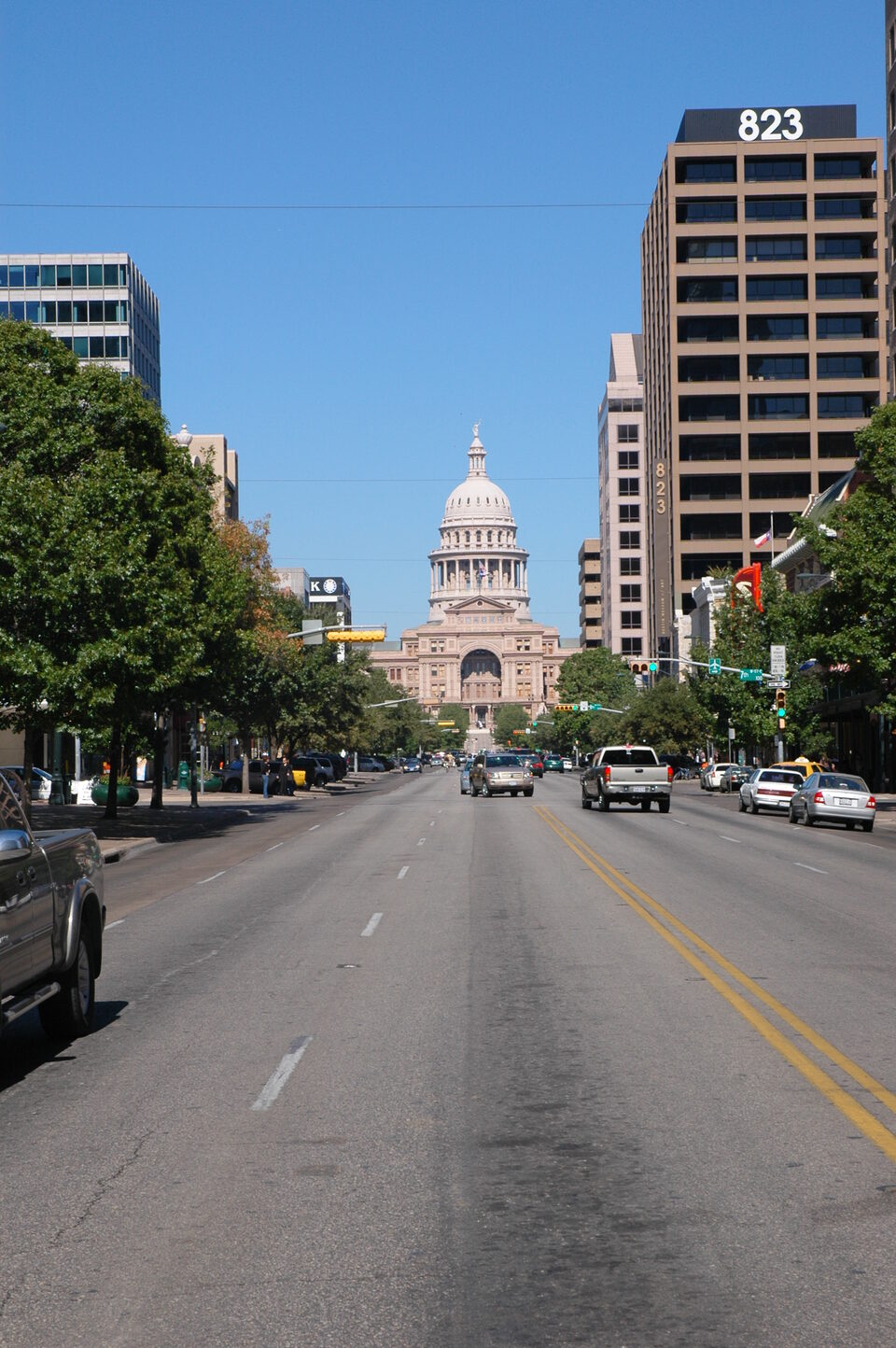
Austin runs on an unlikely mix. It is the seat of Texas government and home to the University of Texas, so politics and students have always shaped it. Over the last two decades a wave of tech, big employers and a thick layer of startups, piled on top. The result is a place that is buttoned-up and barefoot at the same time: a legislature, a Longhorns game and a late-night honky-tonk inside the same square mile. The old “Keep Austin Weird” streak is quieter than it was, but it is still real in the east side, the music rooms and the swimming holes.
Go deeper
Pick a thread and pull
The orientation above is the map. These guides fill it in, each one its own corner of the city, written in our own words.
Neighborhoods
South Congress, East Austin, Rainey Street, downtown, Hyde Park, Zilker, Mueller and the Domain, the feel of each and who it suits.
The outdoors
Barton Springs, the hike-and-bike trail around Lady Bird Lake, the Greenbelt, Zilker Park and Mount Bonnell, the water and trails woven through town.
Eat & drink
Central Texas barbecue, breakfast tacos, the food-truck scene and the year-round coffee-and-patio culture.
Live music
The Live Music Capital, the scene, the historic rooms, and how to catch a show almost any night of the week.
Festivals
SXSW and Austin City Limits anchor the year, alongside film, TV and food events spring through fall.
Day trips
The Hill Country, Dripping Springs, Fredericksburg, Wimberley, Lockhart barbecue and the Lost Pines east of town.

Find your footing
Make Austin make sense
The layout, the neighborhoods, how to get around and the honest trade-offs, in one place, in plain language. Start with the questions most newcomers ask first.